
Inauguration of the Institute for Health, Health Care Policy and Aging Research. David Mechanic becomes founding director.


Since the Institute’s founding in 1985 by Dr. David Mechanic, Rutgers Institute for Health has grown and evolved thanks to the contributions of incredible individuals who have helped shape our legacy. We are now home to over 40 core faculty members and 8 research centers. This milestone year was not just a celebration of our achievements but also a tribute to the people who have been part of our journey over the years.
To commemorate this momentous occasion, special events took place throughout the year celebrating the advancements in population health research.
Contact our planning committee with any questions ifh40@ifh.rutgers.edu
Inauguration of the Institute for Health, Health Care Policy and Aging Research. David Mechanic becomes founding director.

Louise Russell and Diane Alington founded the summer internship program, Project L/EARN. As of 2016, Project L/EARN had prepared 205 undergraduates for graduate school and careers in health and social science professions. Alumni had undertaken or completed 77 doctoral degrees and 120 master’s degrees. Nine had participated in postdoctoral fellowships.

RWJF established its national program office, New Jersey Health Initiatives, at IFH in Camden. The program focused on community leadership, capacity-building for community organizations, and strategic calls for proposals targeting health issues. The Foundation’s investments in the state through NJHI exceeded $100 million awarded through more than 350 grants, demonstrating RWJF’s unwavering commitment to New Jersey.

The IFH offices are brought together to be housed in a state-of-the-art 57,000 square foot facility in downtown New Brunswick.
Tobias Gerhard founded the Center for Pharmacoepidemiology and Treatment Science.

IFH receives RBHS’s first P50 Grant: Rutgers-NYU Center for Asian Health Promotion and Equity
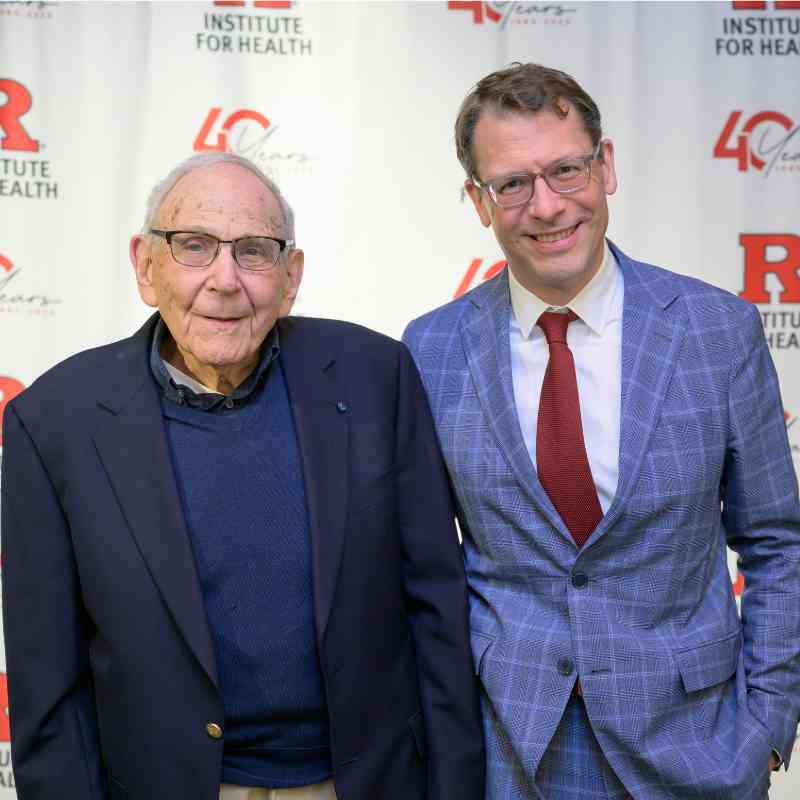
Tobias Gerhard becomes IFH director. Dee Magnoni becomes IFH executive director.

The National Institute of Mental Health designates a center at IFH as one of its 5 Centers for Research on the Organization and Financing of Care for the Severely Mentally Ill.
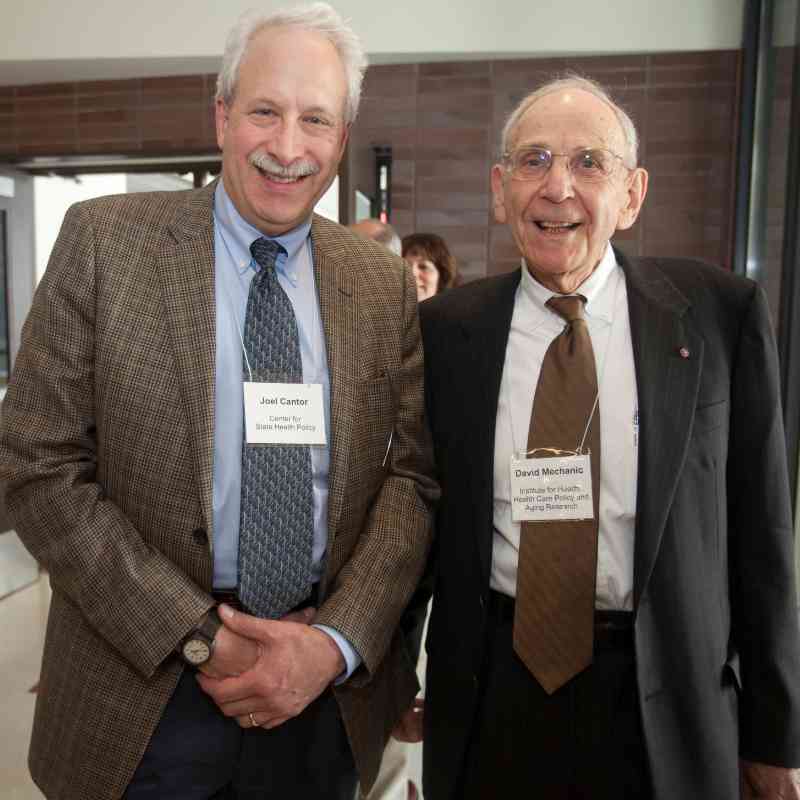
David Mechanic, in collaboration with James Knickman of the Robert Wood Johnson Foundation, founded the Center for State Health Policy. Joel Cantor became center director and Susan Reinhard became co-director.
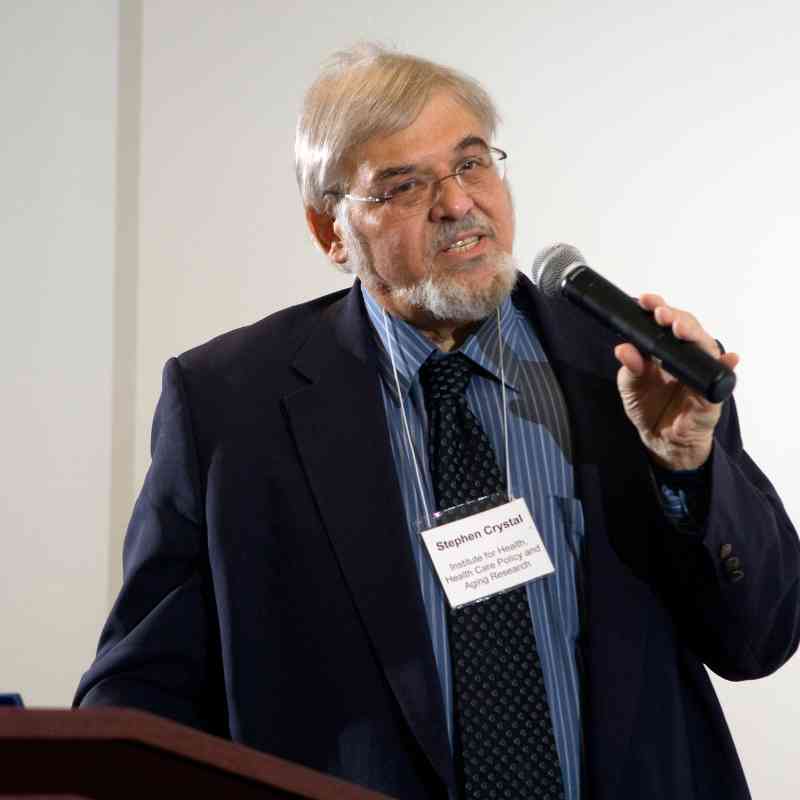
With funding from Rutgers and AHRQ, Stephen Crystal founded the Center for Health Services Research. Within CHSR, Crystal and James Walkup founded the AIDS Research Group which contributed to AIDS services research methodology.

David Mechanic retires.
Rutgers Biomedical and Health Sciences (RBHS) is created: IFH moves under the RBHS umbrella.
XinQi Dong becomes IFH director and founds Center for Healthy Aging Research.
Nir Eyal is named director of the new Center for Population-Level Bioethics. Tammy Chung is named director of the new Center for Population Behavioral Health.

The NJ Population Health Cohort Study (NJHealth) – the largest health study of its kind in the state – launched at IFH with funding from RWJF and Rutgers Health.
Soko Setoguchi of IFH and Glenn Miller of RWJBarnabas Health founded the Center for Climate, Health and Healthcare. Rutgers Roadmaps Initiative established the Center for Biomedical Informatics and Health Artificial Intelligence, naming Leslie Lenert as center director.
IFH’s Center for Research on the Organization and Financing of Care for the Severely Mentally Ill improved the quality of life for schizophrenia patients discharged from psychiatric units in NY state through examination of psychiatric unit treatment patterns.
IFH’s Division on Aging findings improved national estimates of out-of-pocket healthcare cost burden, particularly prescription drug costs for the elderly, and developed instruments to measure consumer and family satisfaction in long-term care in NJ and other states.
Research from IFH’s Division of Health helped develop internationally used instruments to assess illness representations and perceived benefits and concerns about medications.
The Center for Health Services Research, in collaboration with Medicaid Medical Directors Learning Network, the National Center for Quality Assurance and AHRQ, helped develop quality measures for safe and judicious prescribing of antipsychotics for children now used widely by Medicaid and other national health plans.
From CHSR’s findings, many states have implemented new oversight for antipsychotic prescribing for children and older adults, reducing inappropriate antipsychotic usage.
IFH’s Center for Research on the Organization and Financing of Care for the Severely Mentally Ill led to the effort to include mental health indicators as part of the effort to assess the nation’s health as part of the National Health Interview Survey.
The Center for State Health Policy’s studies of state laws and regulations requiring coverage of young adults as dependents on parents’ private health insurance plans were cited in federal rules guiding implementation of the Affordable Care Act.
CSHP’s findings were also invoked in oral arguments before the US Supreme Court by Solicitor General Donald Verrilli in 2012 in arguments regarding the ACA in NFIB v. Sebelius in defense of the individual coverage mandate.
Research and evaluations from various IFH centers have been cited in NJ legislation to support the development of state legislation to help stabilize the state insurance market.
Analyses by CSHP informed the design and evaluation of housing support services for NJ Medicaid beneficiaries at risk of homelessness.
Following the completion of Project L/EARN, IFH continued an internship program with a mentorship-focused summer program. Over 40 students have completed the program since 2021, with over 20 faculty members serving as mentors.
CHSR researchers shared expertise in multiple Congressional briefings, contributing to the bipartisan passage of the Mainstreaming Addiction Treatment Act in 2022, which made medication for opioid-use disorder more accessible.
PETS research offered evidence supporting the cardiac safety of a popular antiseizure medication, providing reassurance regarding the safety of this drug following an FDA warning based on case reports.
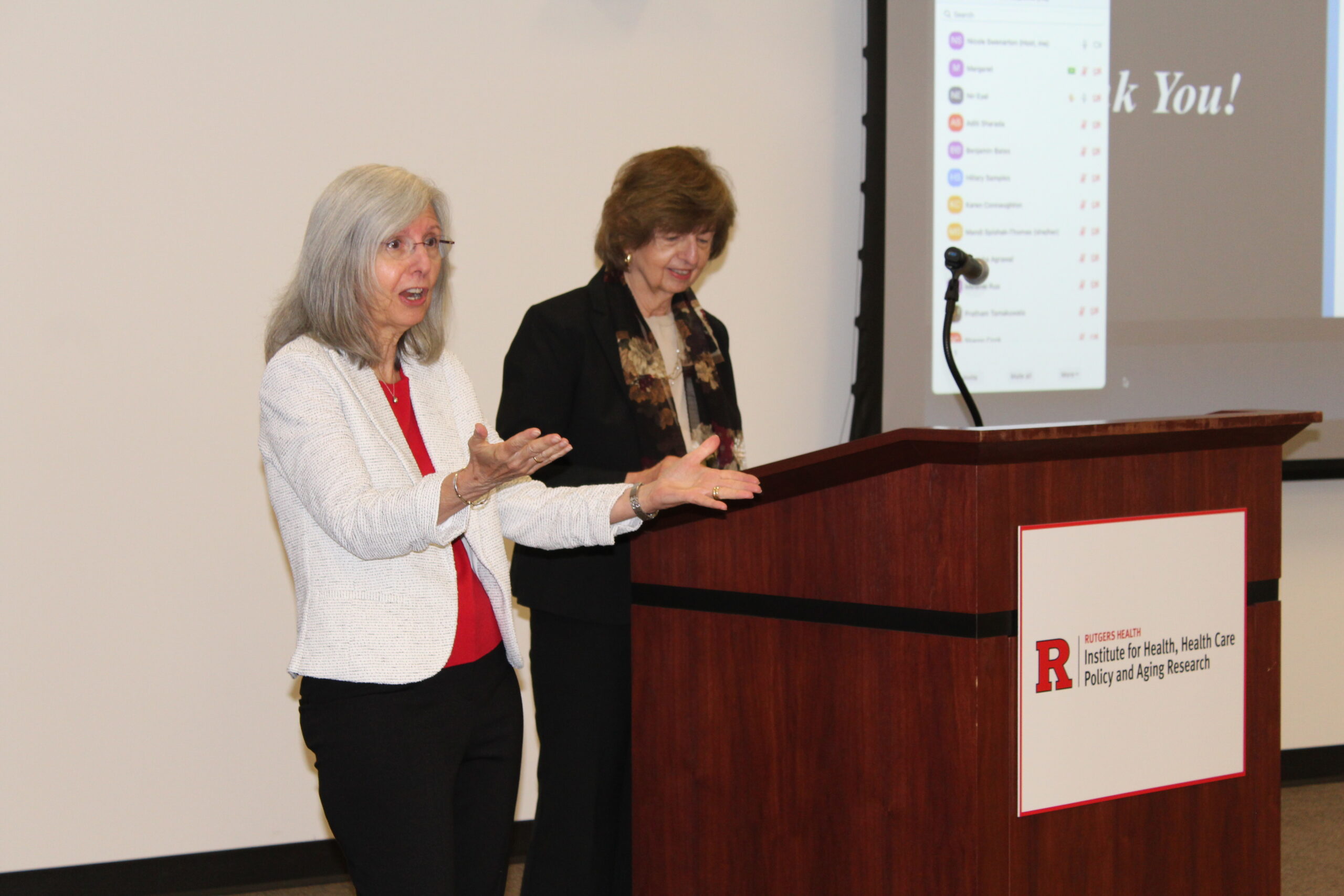
“A Giant, Colossal, Big Deal”: In Vitro Fertilization Comes to America”
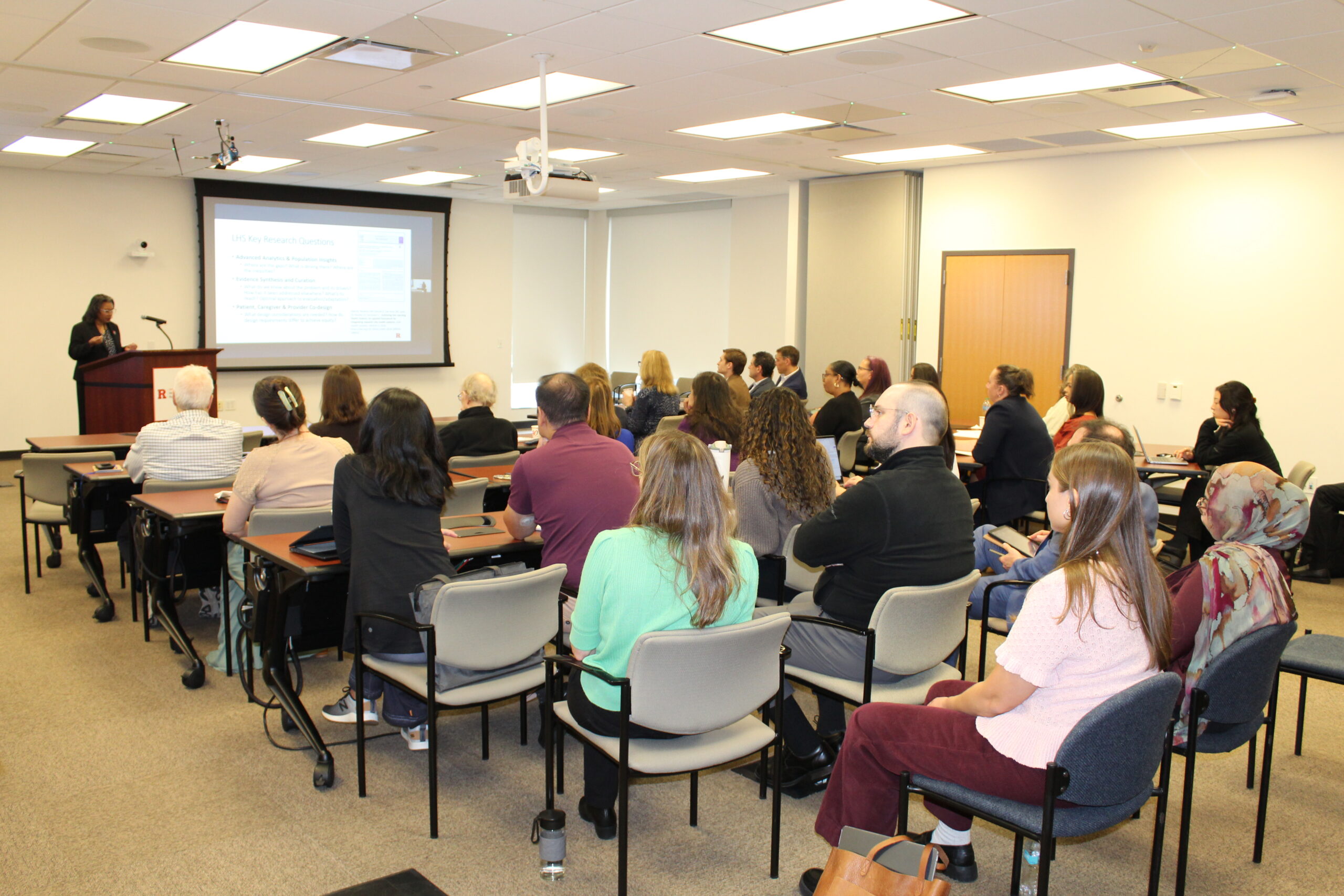
“Learning Health System Opportunities: Cultivating Research Relationships to Enhance Quality and Facilitate Organizational Change”
Gerry Grob came up to my office one day and handed me an article by Charles Rosenberg on early 19th century public health pioneers in New York City and their connections to religion. “I thought you’d be interested in this,” he said.
If it weren’t for the Institute’s broad interdisciplinary reach, I (a young assistant professor) would never have been in the same building with such a senior historian, and received such a gift.”
–Ellen Idler, Director of Emory University’s Religion and Public Health Collaborative and the Samuel Candler Dobbs Professor of Sociology

It takes a lot to get me from New York City to Princeton, but I could not miss a celebration of this wonderful institution that David Mechanic created. David has long been a hero and friend of mine. I’ve admired not only his enormous contributions to health care and health policy, but his wisdom, his self-effacement, and his lack of self-importance. He’s been a great friend and a great mentor to me – as he has to so many others over the years.
–Bruce Vladeck, Chair, Rutgers Center for State Health Policy’s External Advisory Committee

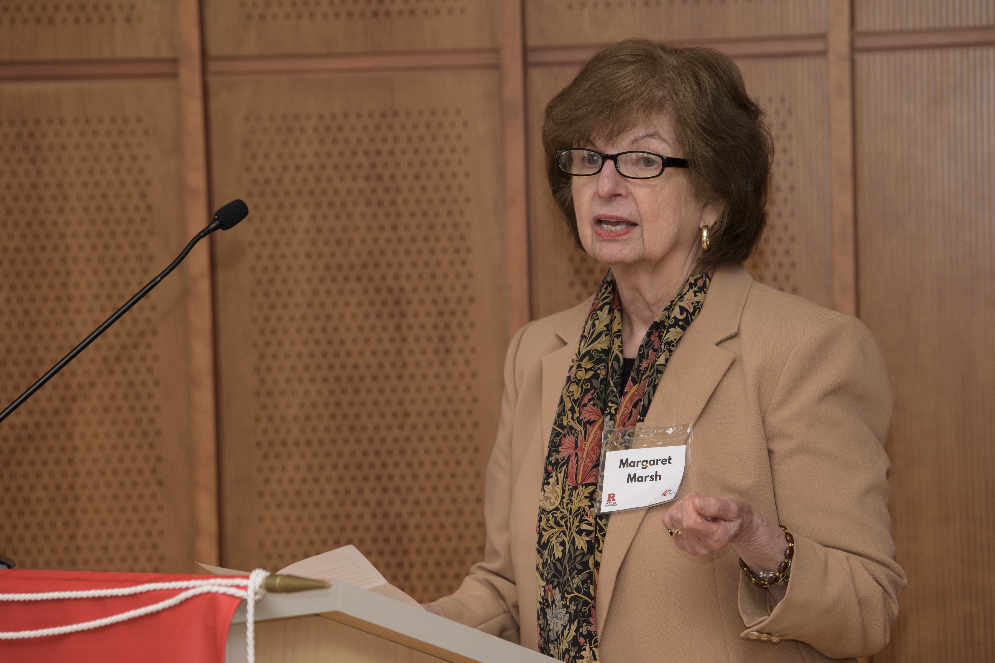
When I joined the IFH in 2012, I was a historian working on a new project. I needed to learn more about health policy. I felt as if, over the next couple of years, I got the equivalent of a second PhD. I learned so much from my fellow members.
–Margaret Marsh, University Professor, Rutgers University
I had a lot to learn when I came to IFH. It might have been tempting to be intimidated by people who knew so much about fields I’d never studied. I soon found every doorway open to me, and people were glad to help. The results were mind-expanding and helped enable me to contribute useful research that is a source of satisfaction.
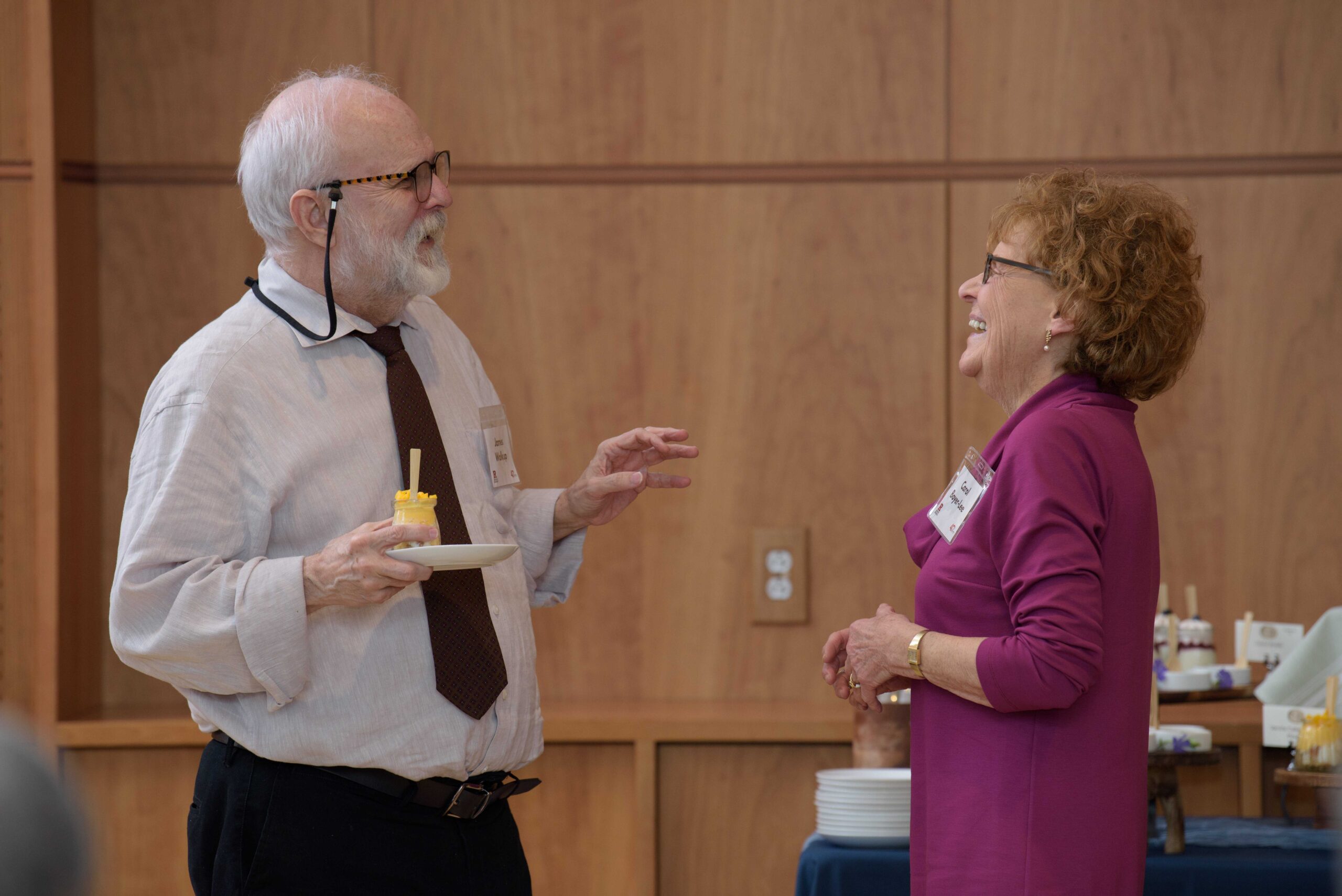
–Jamie Walkup, Professor, Rutgers Department of Clinical Psychology

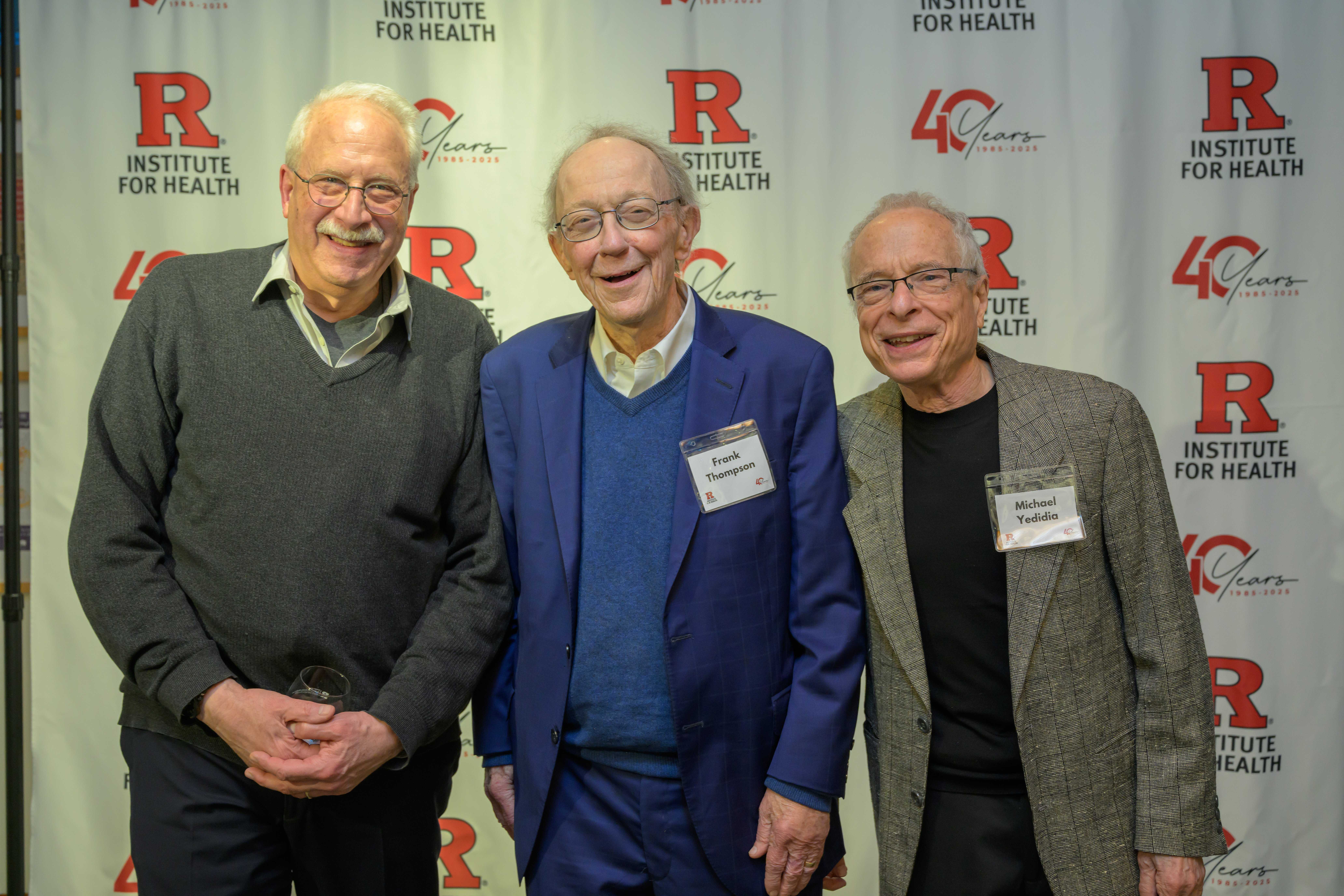
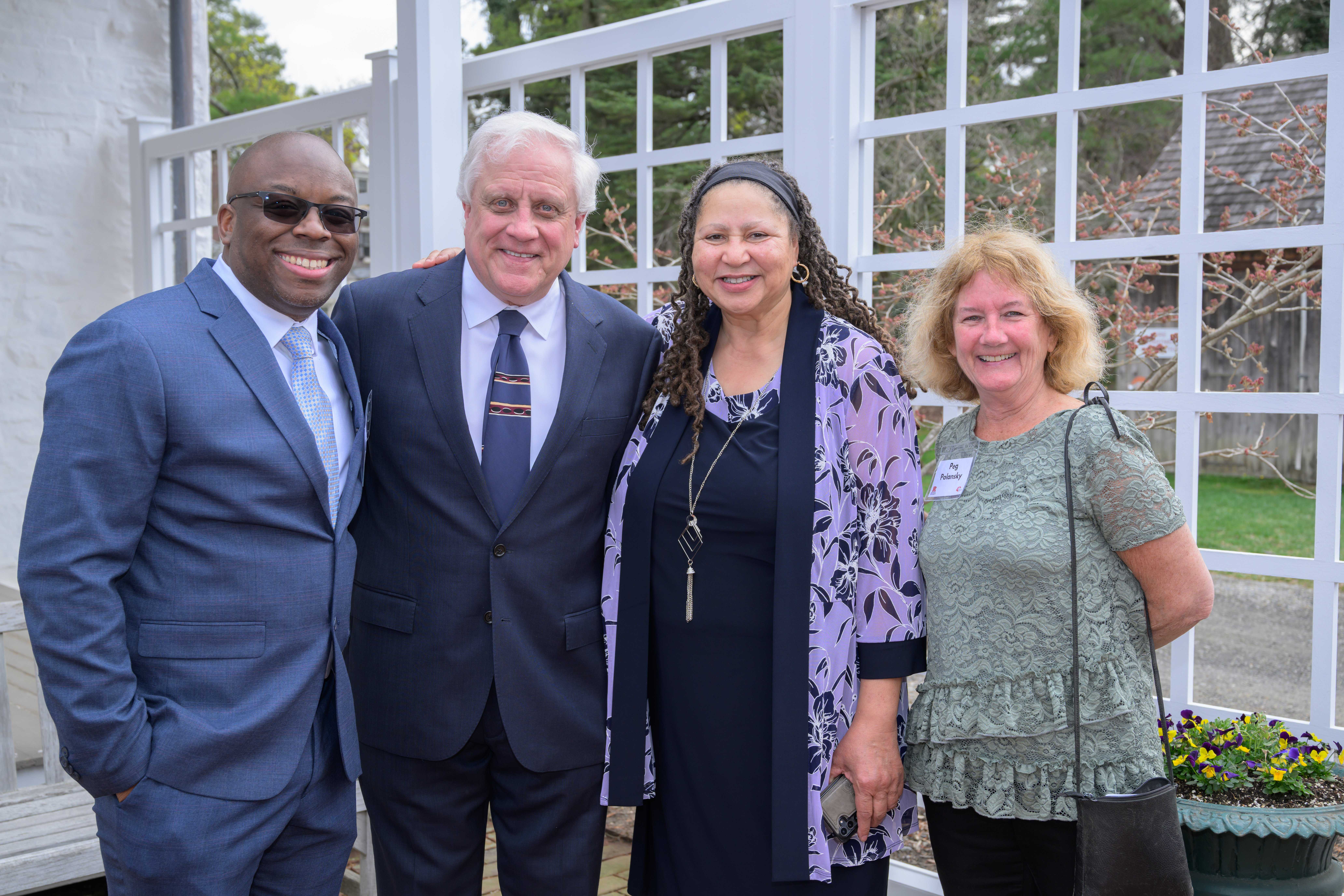
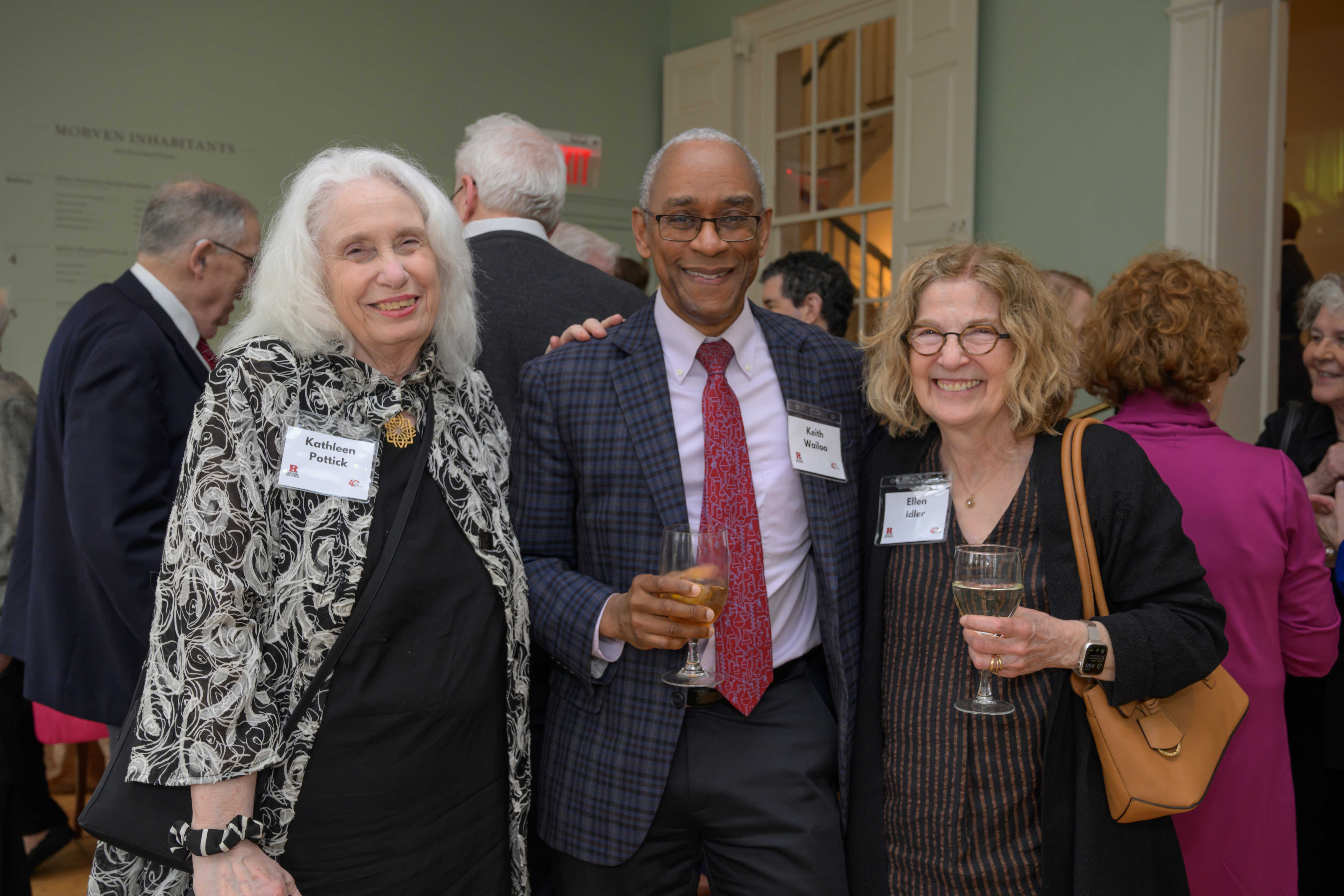
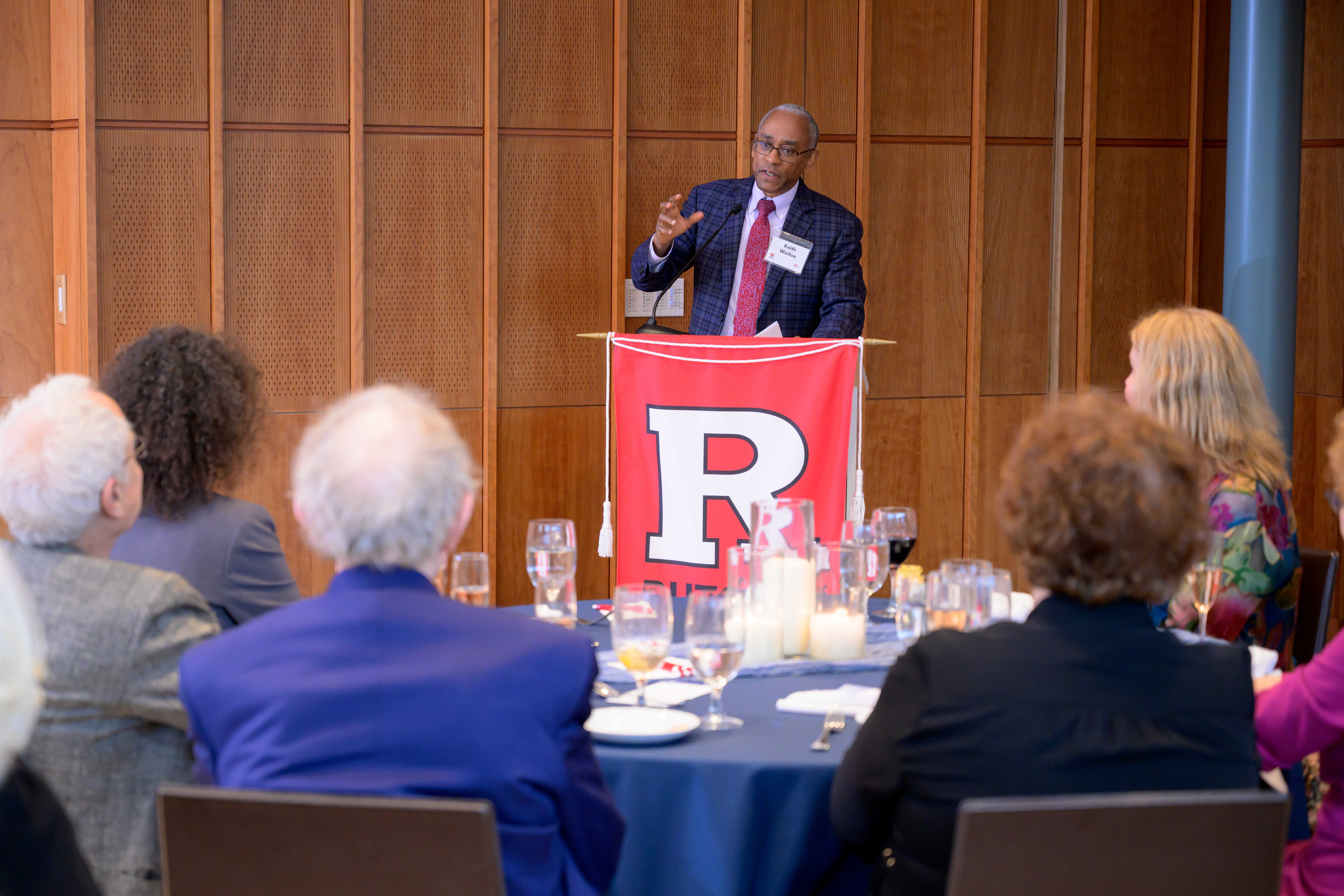
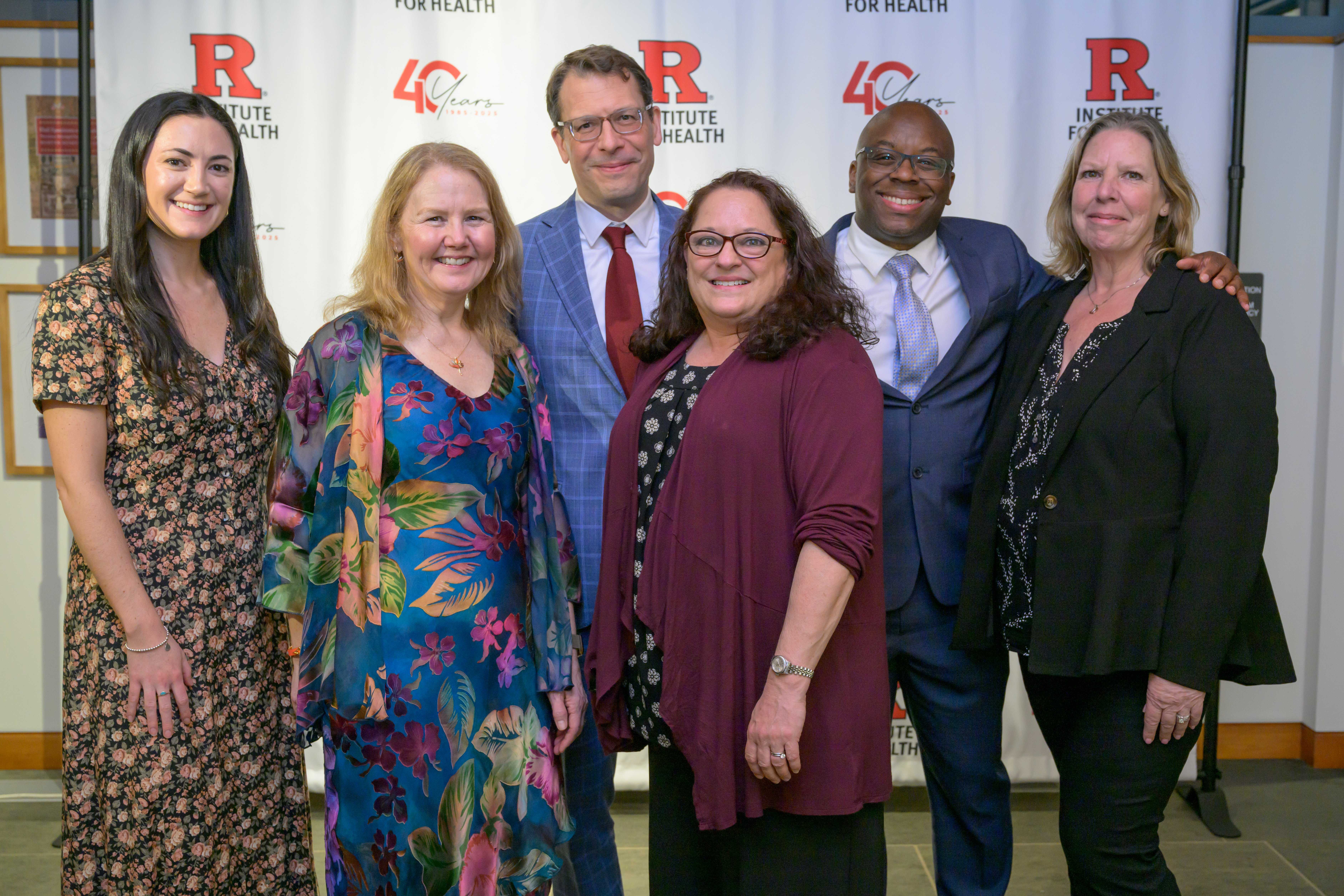
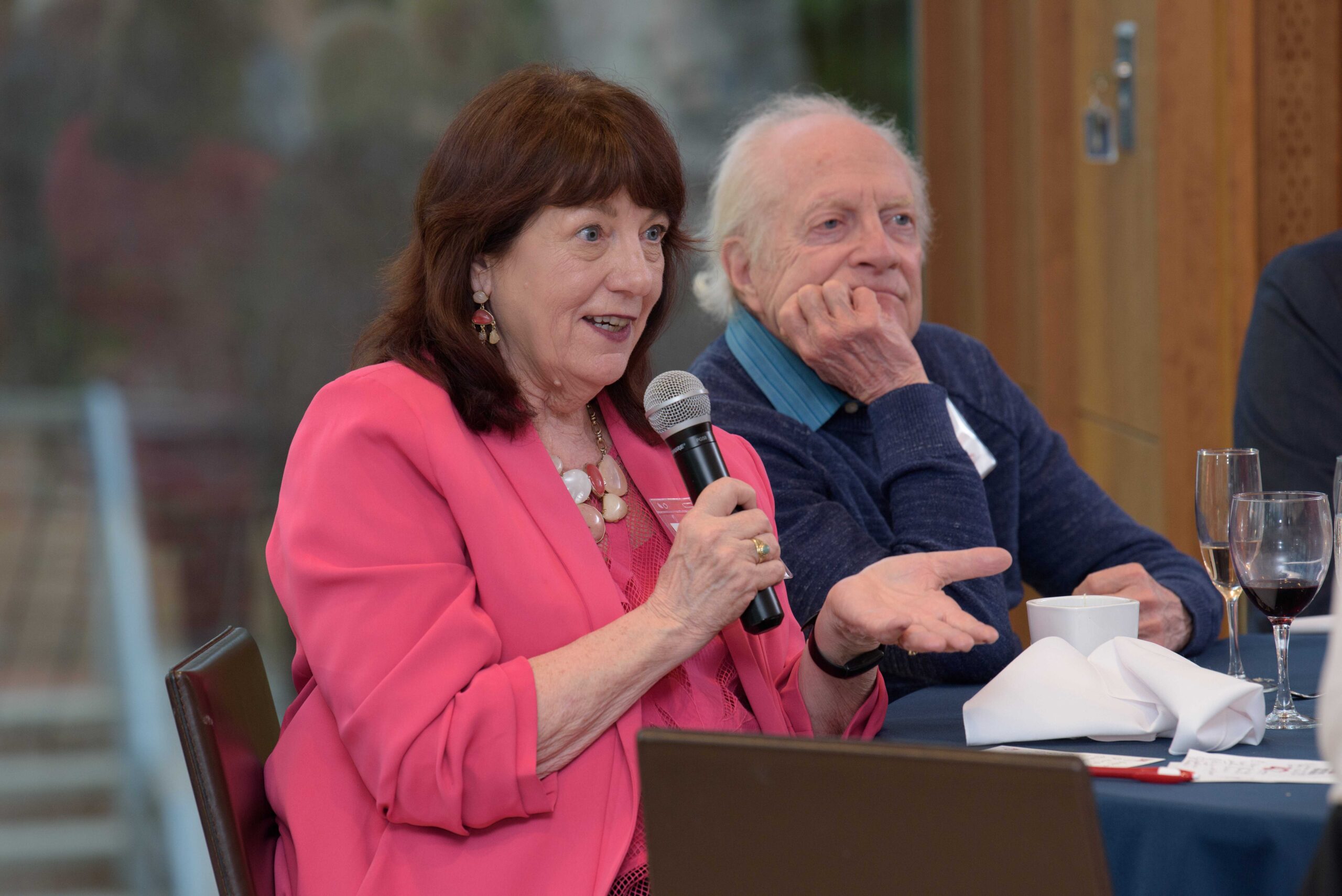
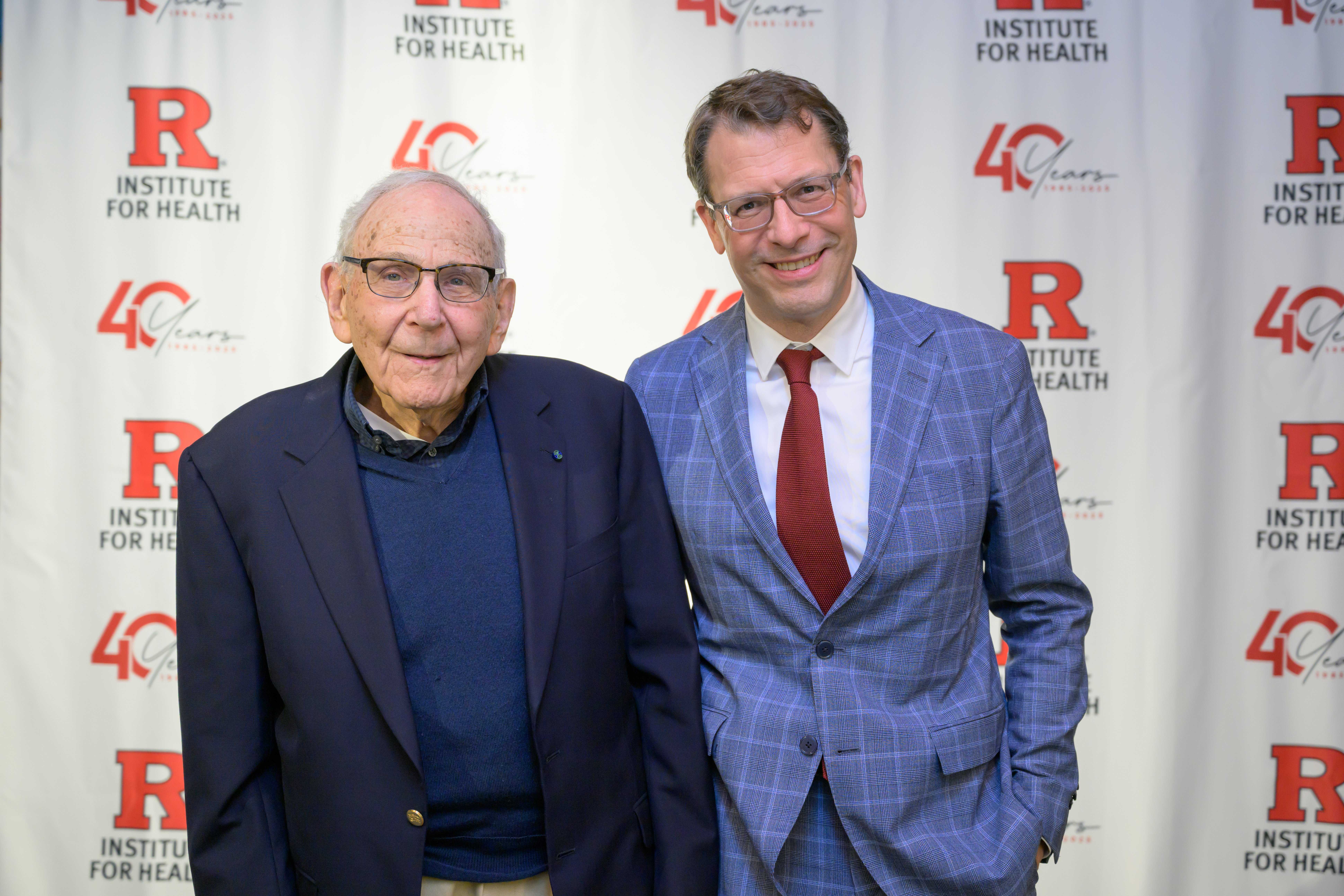
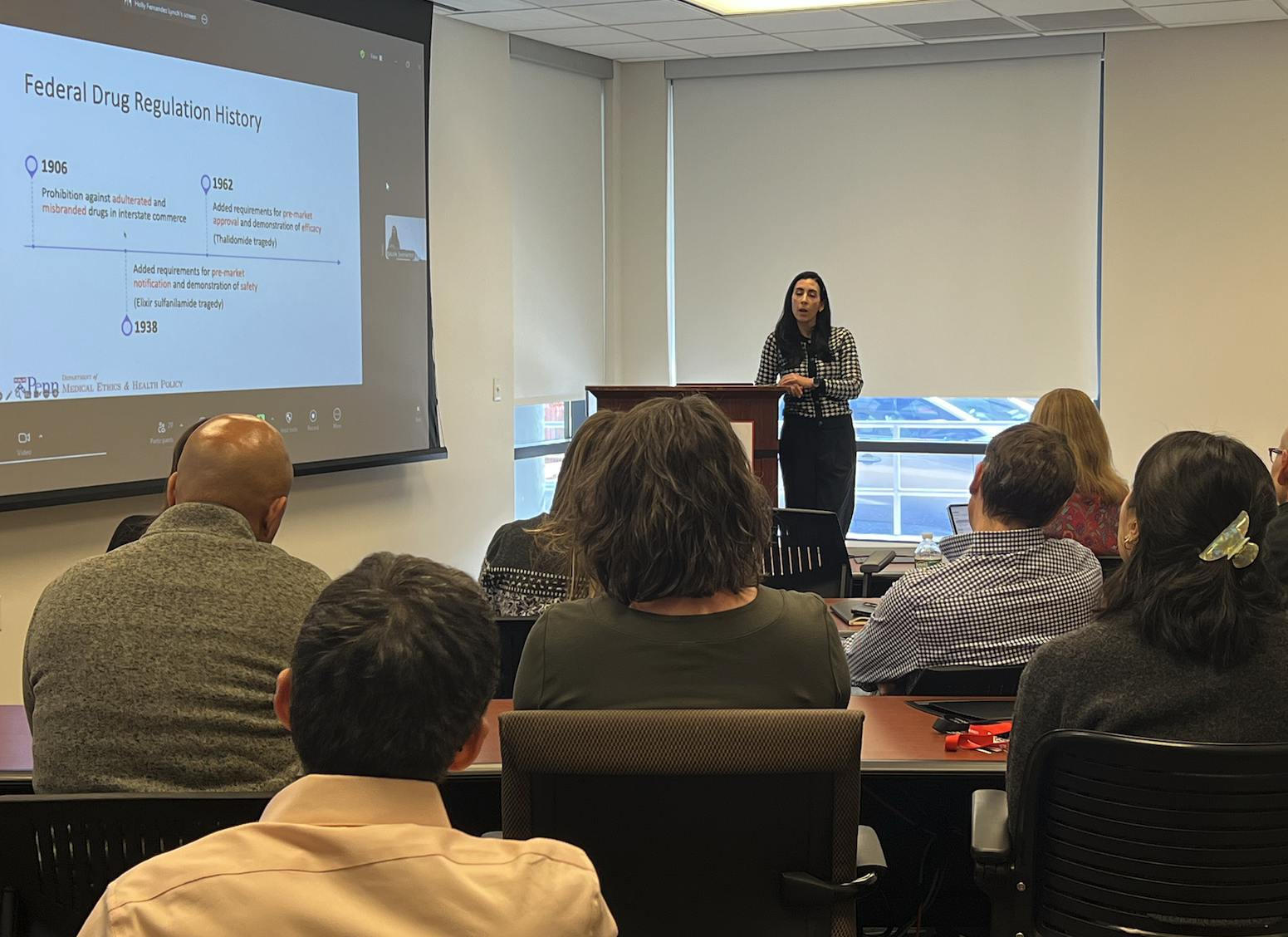
The Institute kicked off its 40th anniversary year with a special spring dinner at the beautiful Morven Museum and Garden, surrounded by peak blooms and warm reflections.
The evening brought together IFH center directors, esteemed alumni, and special guest Dr. David Mechanic, the Institute’s founding director. Among the highlights was a keynote address by former IFH faculty member Dr. Keith Wailoo—now a professor at Princeton—who offered a powerful reflection on the Institute’s founding vision and its evolution over four decades of impactful population health research.
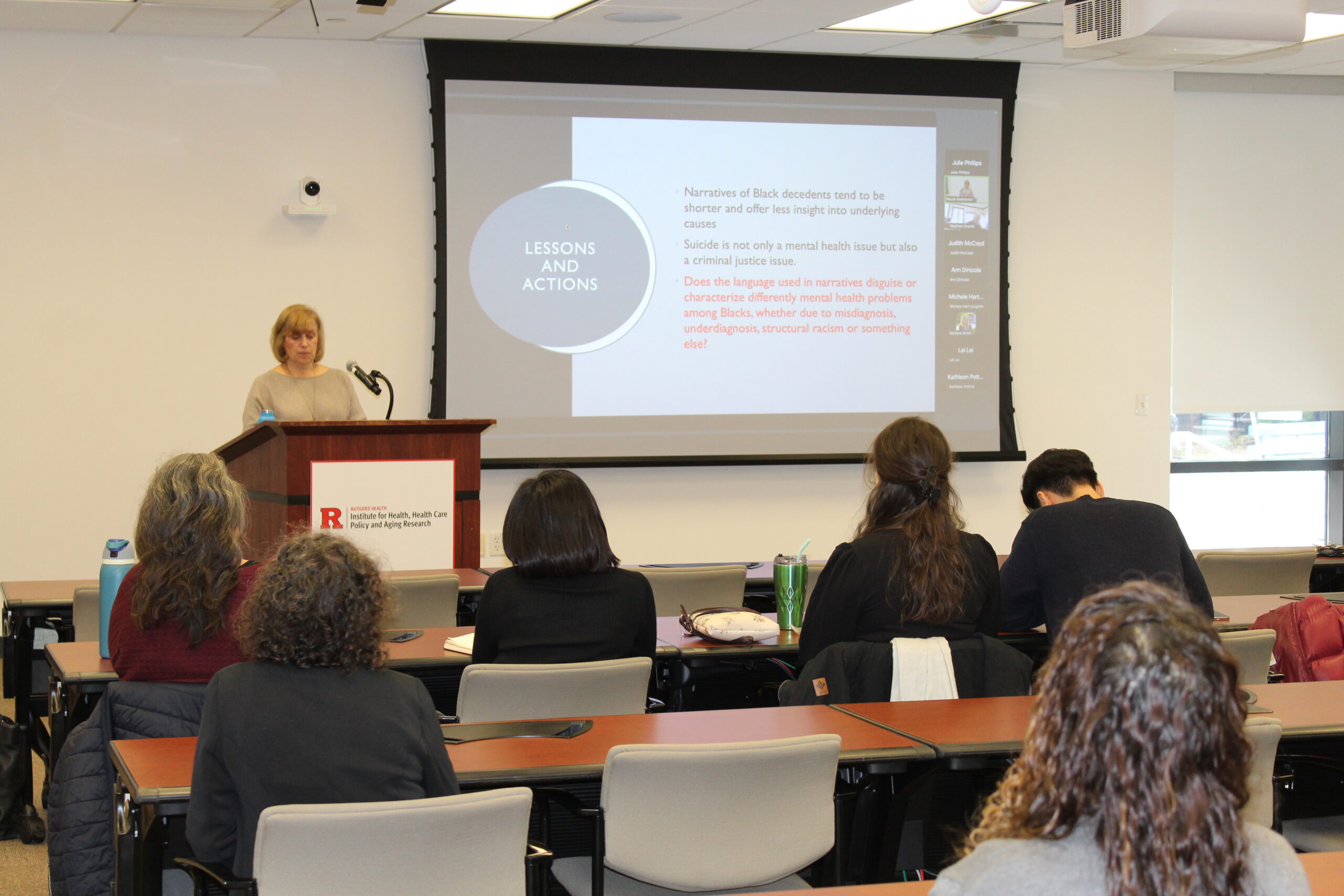
The Institute commenced its anniversary year with an Institute-wide gathering at the Zimmerli Art Museum. Encompassed by the museum’s moving artwork, IFH faculty, staff and friends connected and celebrated together. The event featured an introspective and insightful keynote speech by Mark Olfson, an Institute associate member and Columbia University professor.
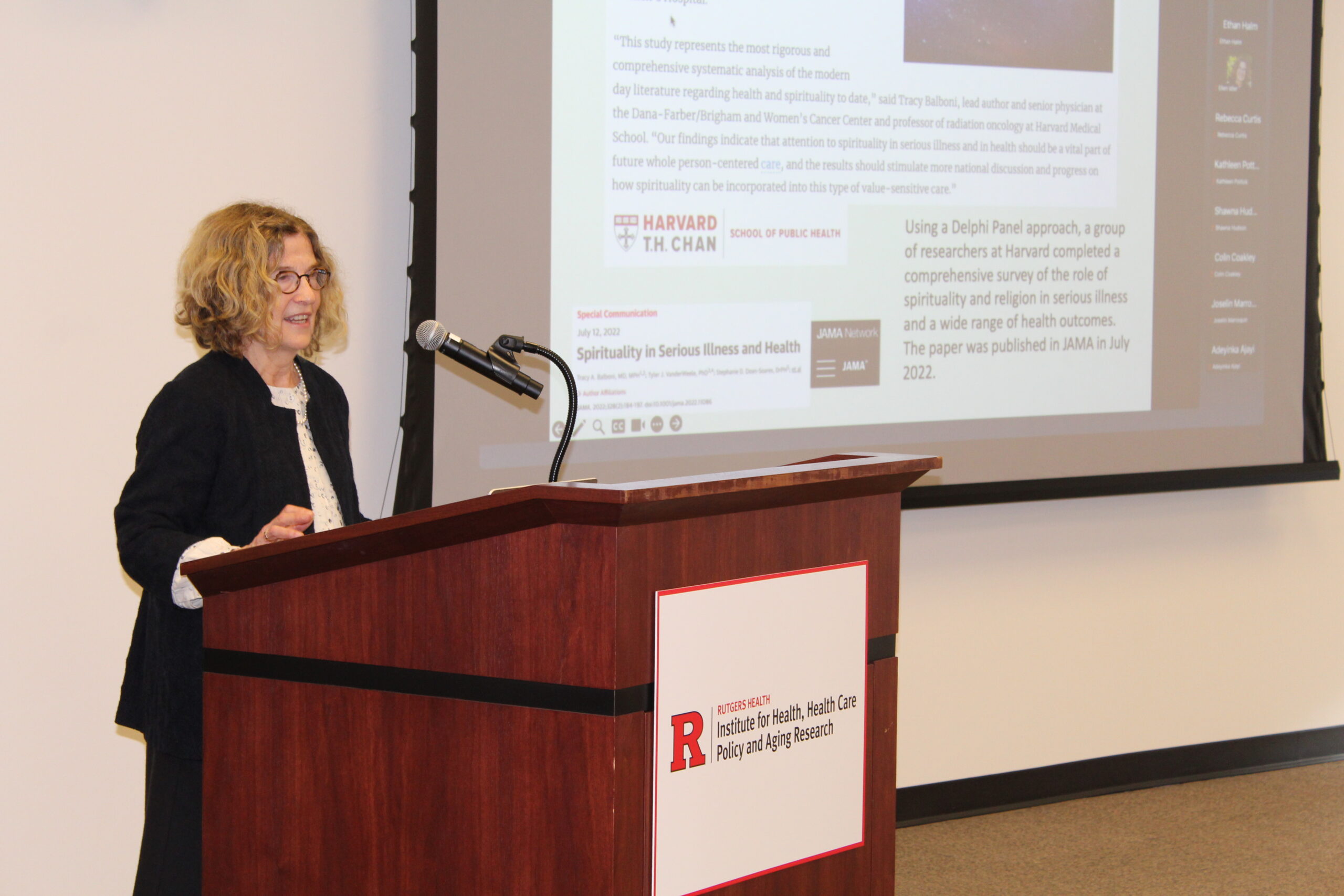
During the tentpole events and the special seminars throughout the year, IFH members, past and present, reflected on the importance of the Institute and its lasting research impact. We look forward to another 40 years.