

SEED2S Data Scientist Pathway Program

Building the Next Generation of Population Health Data Scientists: Rutgers students gain practical experience applying data science skills to real-world health research challenges under the mentorship of IFH investigators.

Overview

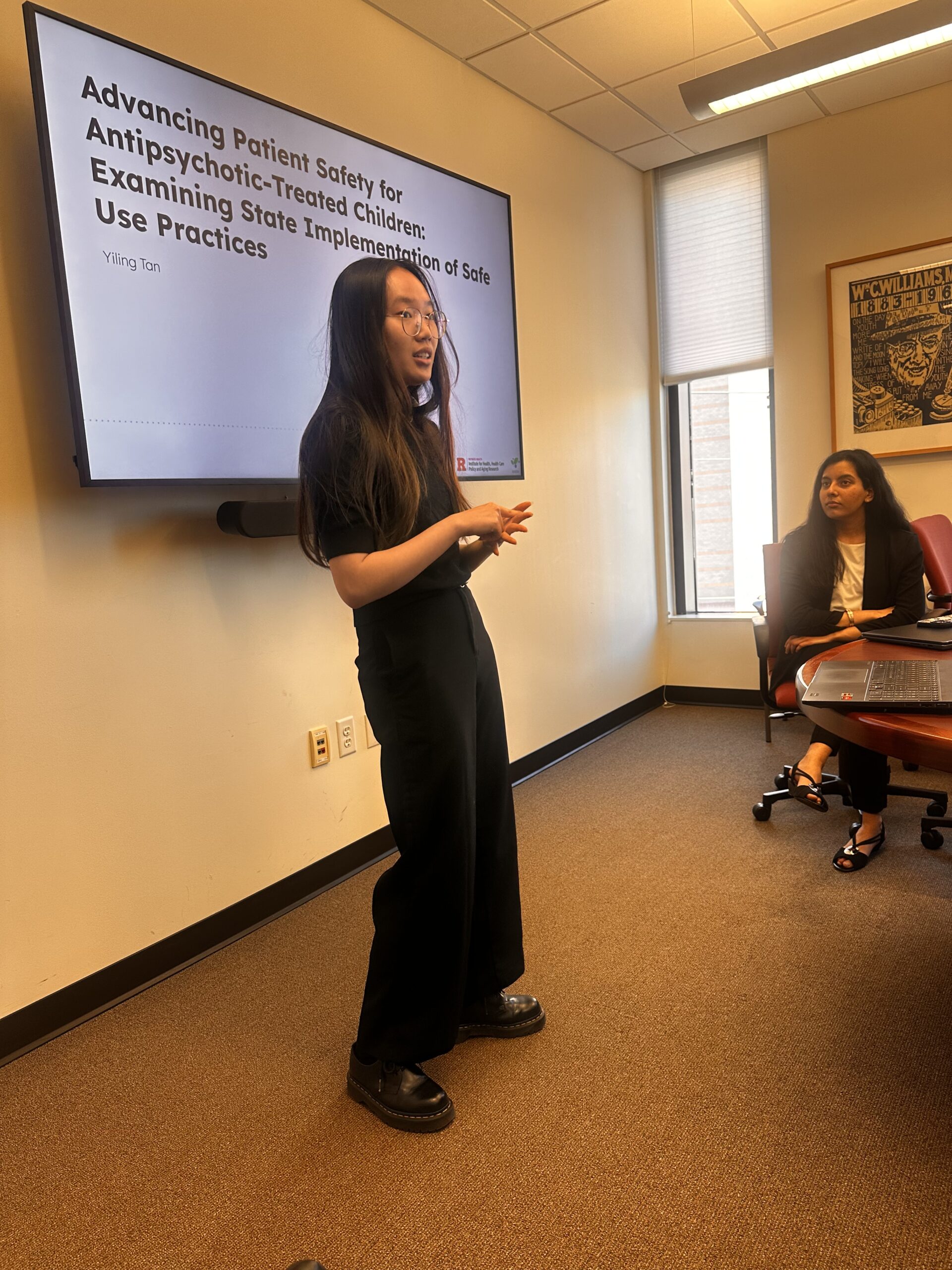
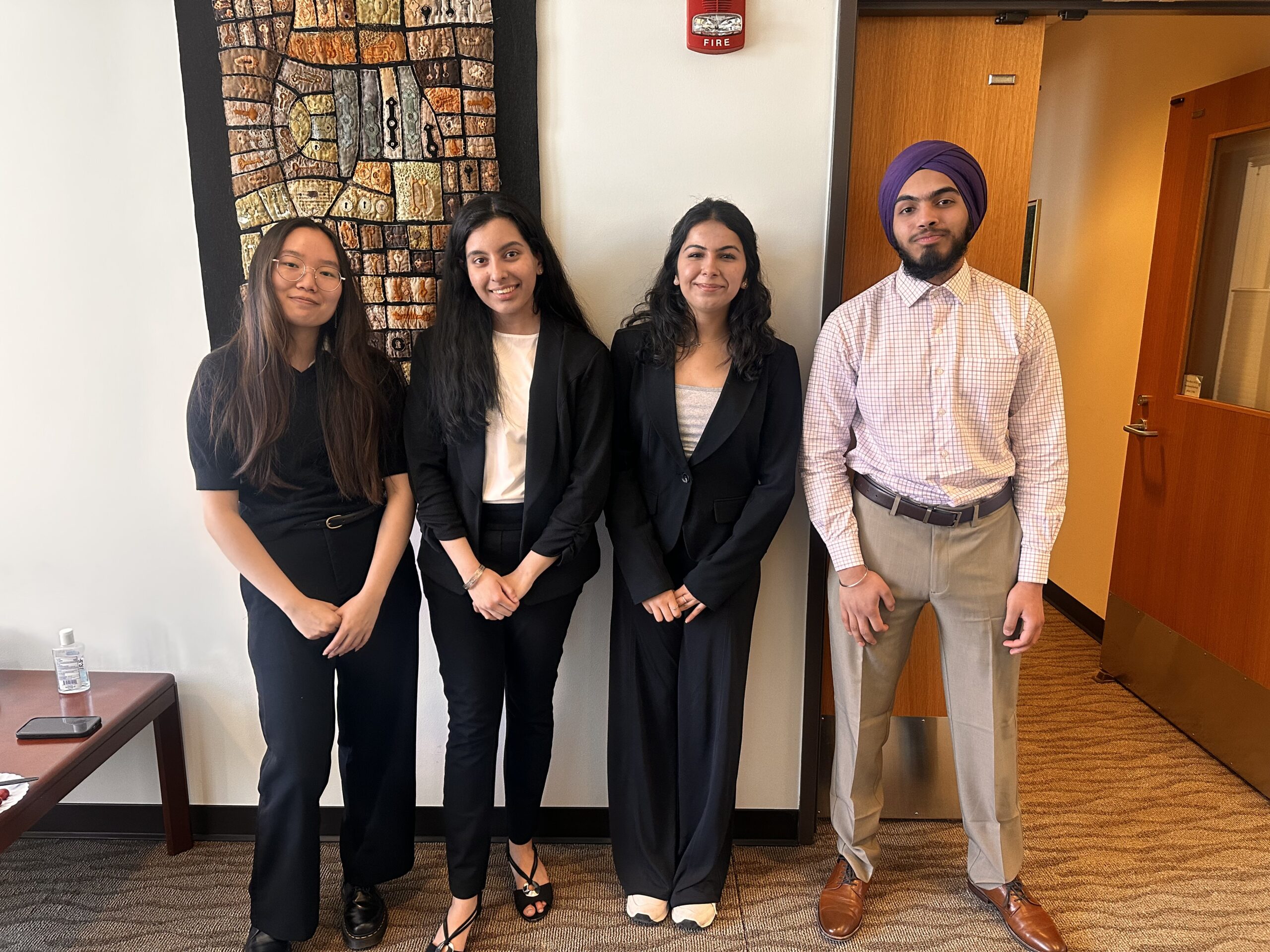
The Rutgers Institute for Health, Health Care Policy and Aging Research (IFH) partners with the School of Arts and Sciences’ Student Excellence, Experiential Learning, and Development in Data Science (SEED2S) program to provide undergraduate students with immersive research experiences in population health and data science. Through year-long internships, students receive mentorship from IFH researchers, gain hands-on experience managing and analyzing health-related data, and develop skills applicable to careers in public health, biomedical research, and data analytics. Since its launch in 2024, the program has supported multiple cohorts of students, helping cultivate the next generation of data scientists dedicated to improving population health outcomes.

What is SEED2S?

SEED2S stands for Student Excellence, Experiential Learning, and Development in Data Science and is a Rutgers School of Arts and Sciences student success initiative designed to support data science students through mentoring, experiential learning, career development, networking, and applied research opportunities. The program helps students build academic, technical, and professional skills while improving student engagement and retention.
IFH’s Role: The Data Scientist Pathway Program

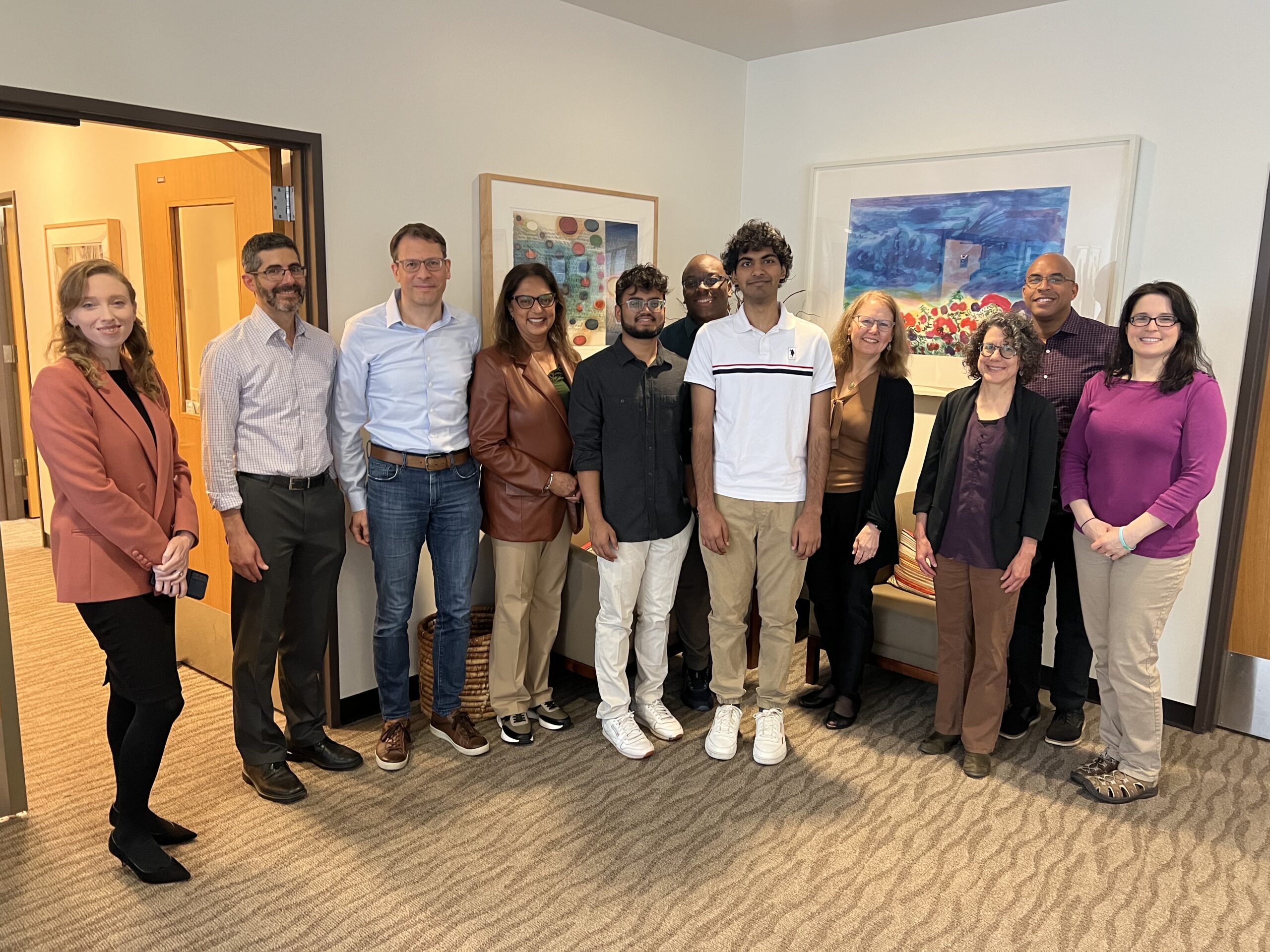
The SEED2S+IFH Data Scientist Pathway Program is one of the experiential learning partnerships within the broader SEED2S+X initiative. The partnership was created to develop a pipeline of future data analysts and data scientists by providing Rutgers students with:

  • Faculty and staff mentorship
  • Hands-on research experience
  • Exposure to public health, biomedical, and social science research
  • Opportunities for professional and academic development
  • Real-world experience managing and analyzing health-related datasets

The program’s goal is to help students expand their knowledge of data management and analytics while gaining practical experience conducting research in population health and related fields.
Quantifiable Impact

Since the pilot year in 2024:

  • The program has provided year-long internships for undergraduate Rutgers students.
  • At least six undergraduate students have participated since the pilot launched.
  • Students receive mentorship and exposure to population health research and quantitative research methodologies.
Why This Matters to IFH

The program aligns naturally with IFH’s mission because it:

  • Introduces undergraduates to population health research.
  • Develops the next generation of quantitative researchers.
  • Creates a talent pipeline into public health, health services research, biomedical informatics, and data science careers.
  • Expands multidisciplinary training opportunities.
  • Connects students with real-world health data and research teams.
Impact Story

Vick Maturu, AI/ML Engineer at Lockheed Martin Space

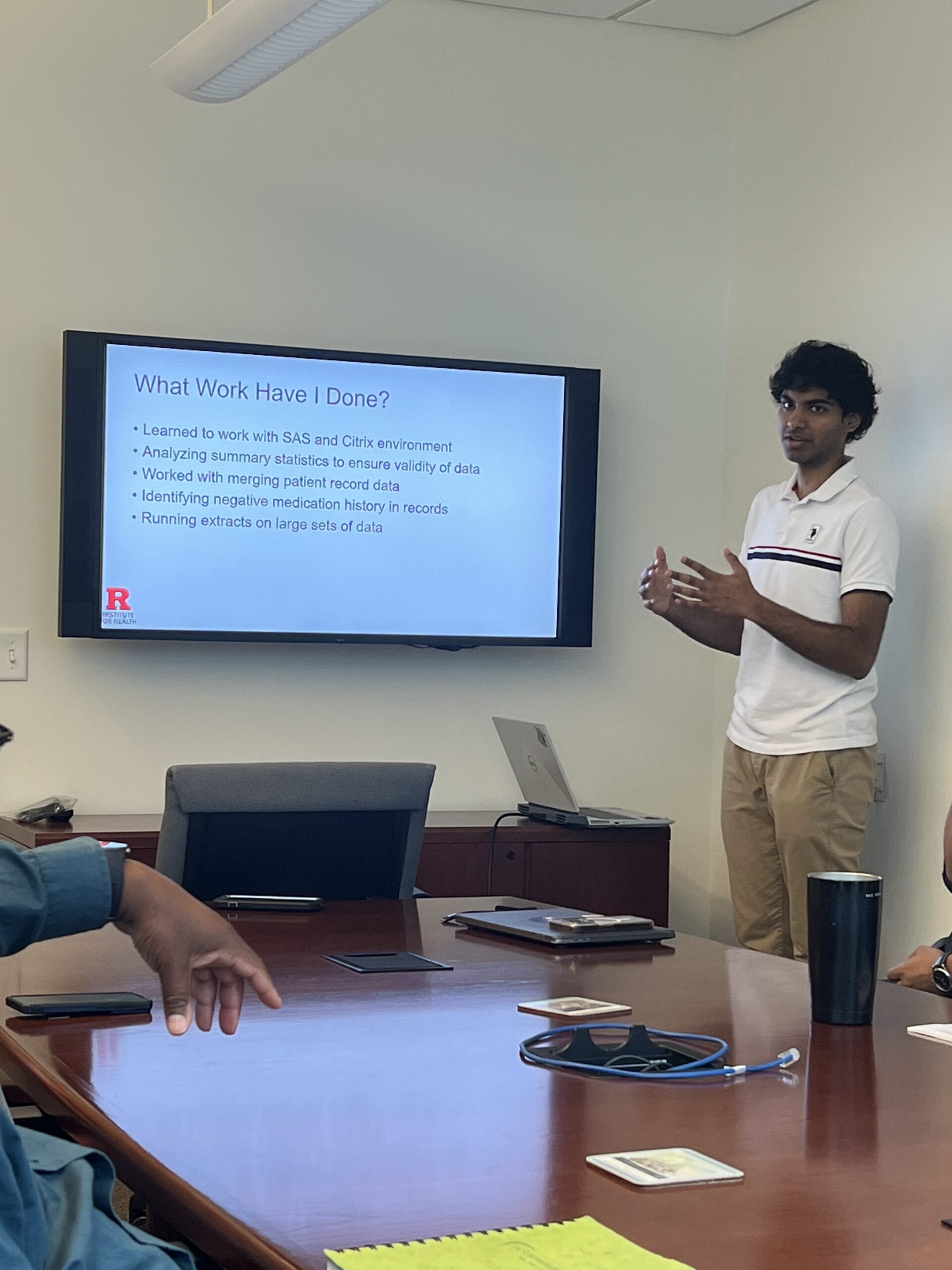
“The SEED2S + IFH program was nothing but the best. When SEED2S first introduced this opportunity, I was immediately excited because it meant working alongside full-time researchers and scientists on real-world healthcare projects using real, messy data, an experience that is rare to come by as an undergraduate.

Through my work with IFH, I played a key role in building and cleaning large-scale healthcare contact datasets by integrating multiple sources across Rutgers Health and RWJBarnabas Health. This involved designing data-cleaning pipelines, resolving inconsistencies across systems, handling deduplication logic, and developing reliable matching strategies using identifiers like email and name when institutional IDs were unavailable.

Beyond the technical skills, this project taught me how to think critically about data quality, documentation, and auditability in a healthcare research setting, where accuracy and transparency are essential. Working closely with the IFH team gave me exposure to how data engineering directly supports public health research and institutional decision-making, and it reinforced my interest in applying data science to meaningful, real-world problems.”

Past Scholars
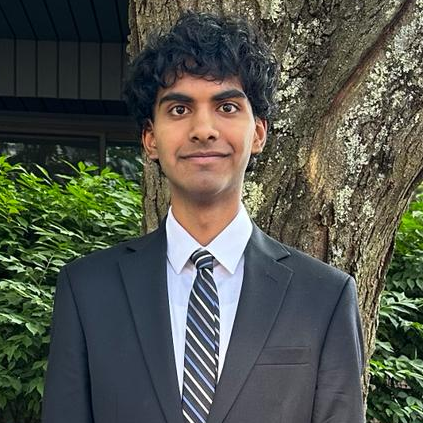
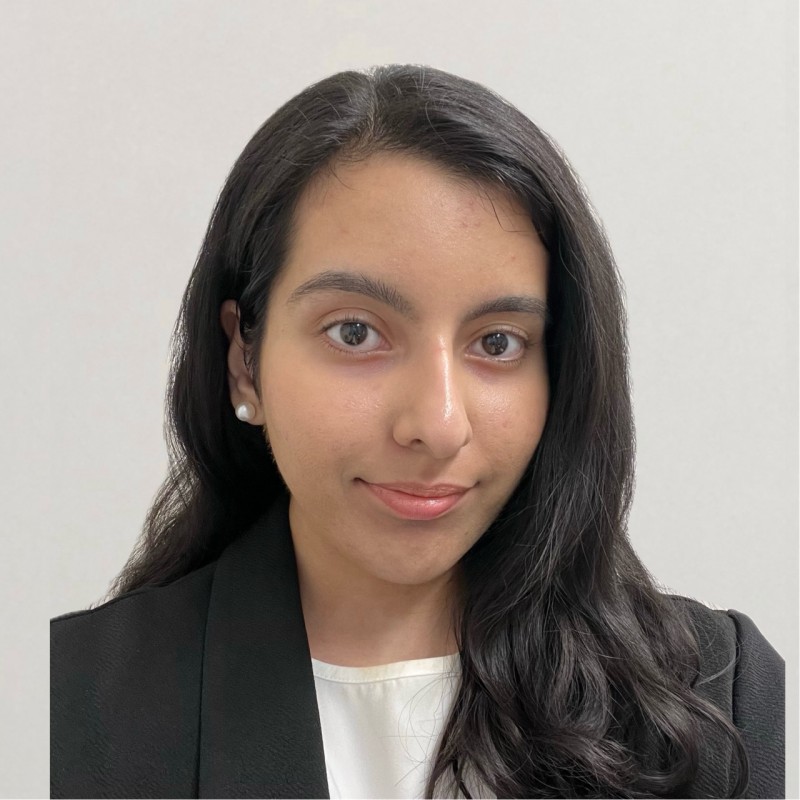
Nideesh Bharath Kumar

Bachelor’s Student, Computer Science and Data Science, Rutgers University-New Brunswick

Bachelor’s Student in Computer Science and Data Science at Rutgers University-New Brunswick

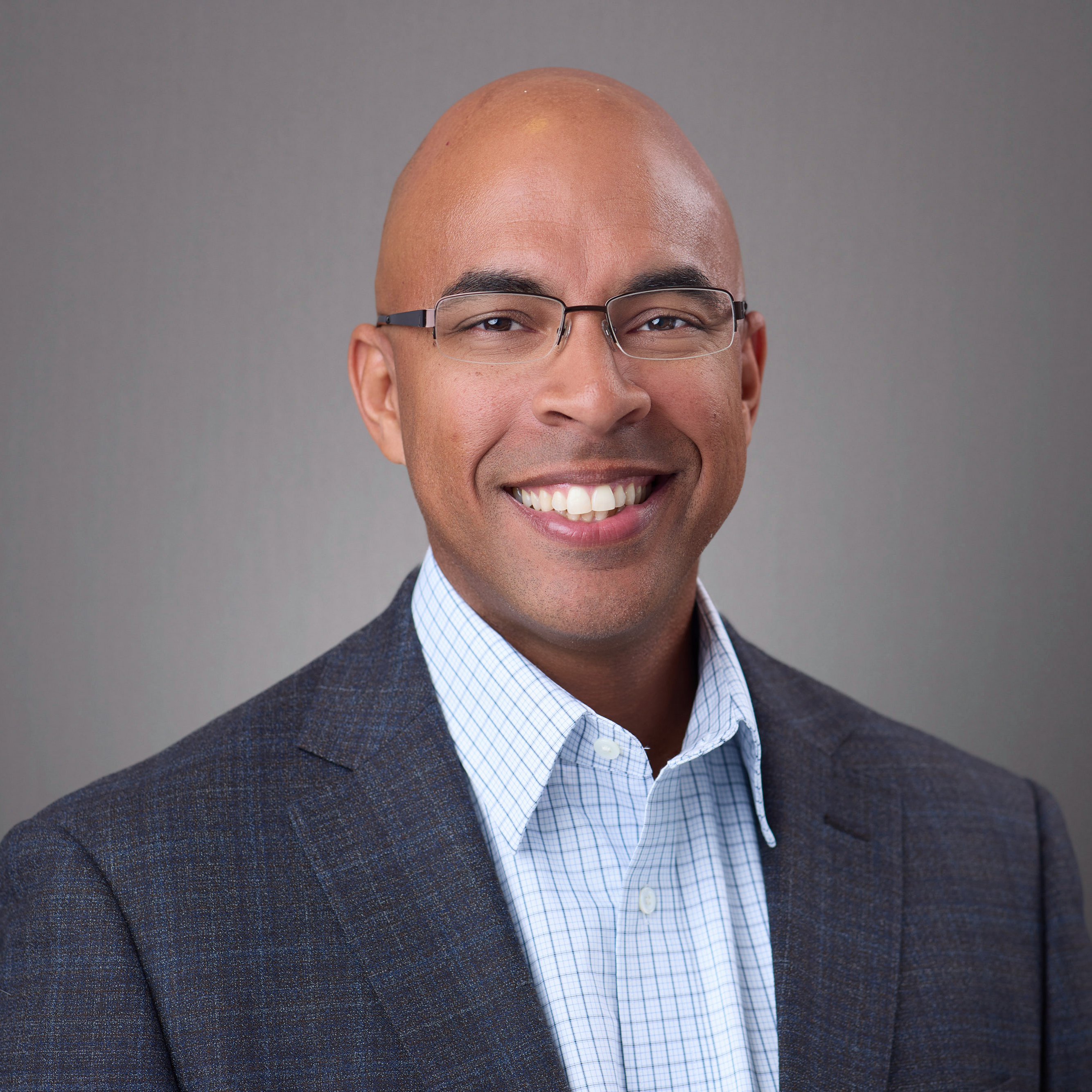
Vick Maturu

AI/ML Research Engineer, Lockheed Martin Space

AI/ML Research Engineer at Lockheed Martin Space

Isha Shrivastava

Bachelor’s Student, Computer Science and Data Science, Rutgers University-New Brunswick

Bachelor’s Student in Computer Science and Data Science at Rutgers University-New Brunswick

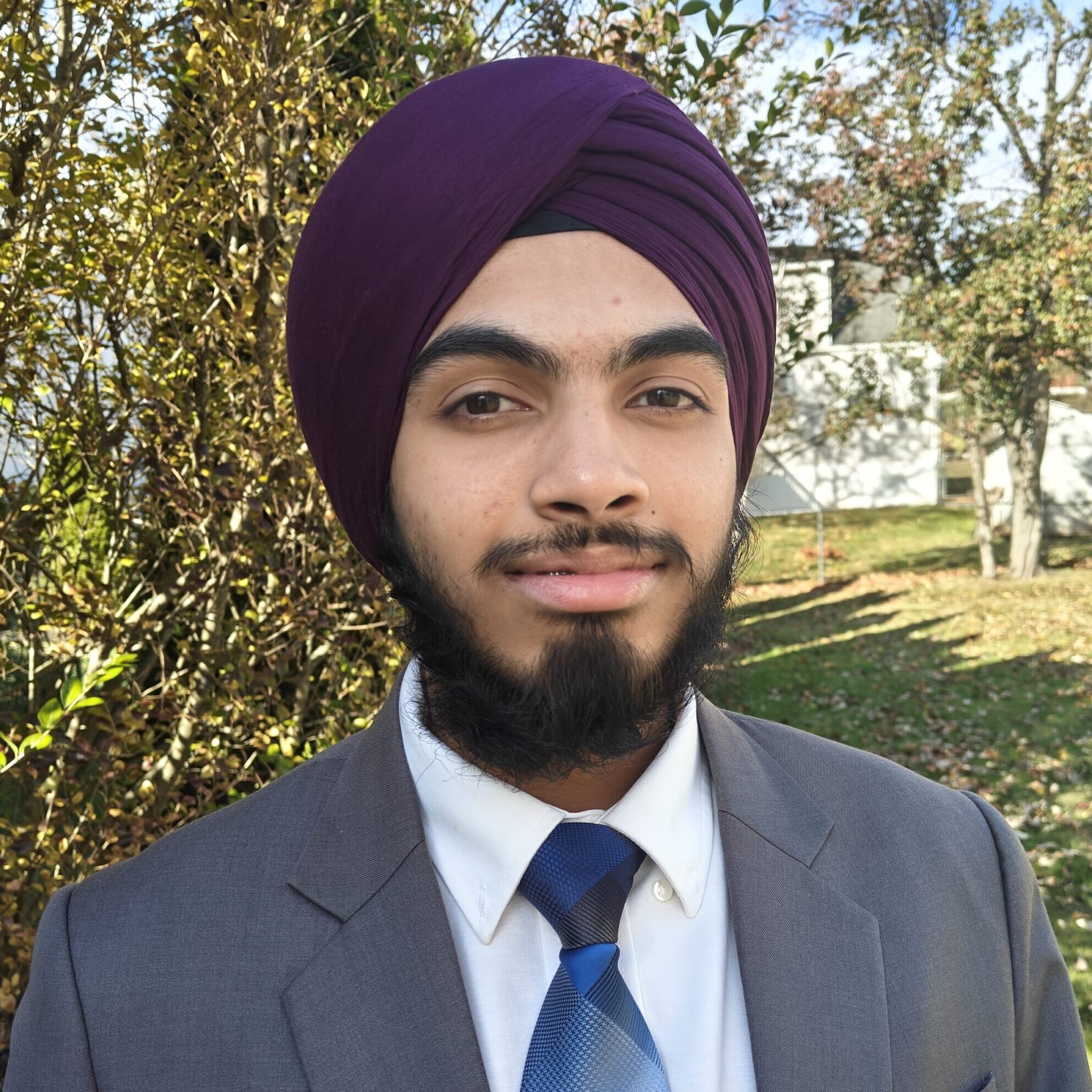
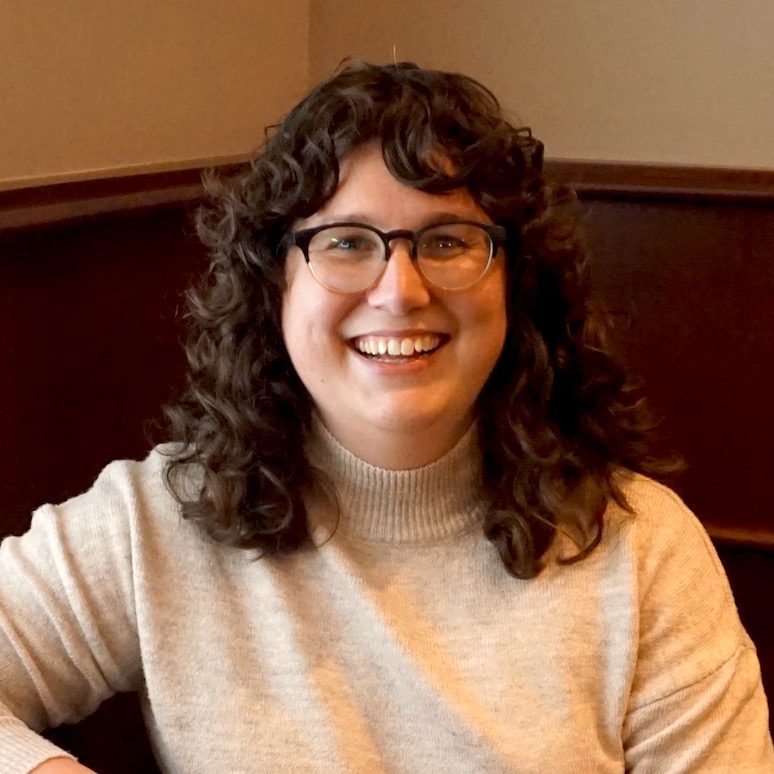
Jessie Singh

Bachelor’s Student, Computer Science and Data Science, Rutgers University-New Brunswick

Bachelor’s Student in Computer Science and Data Science at Rutgers University-New Brunswick

Current Cohort and Mentor Matches

  • Annika Bhatia, 2nd-year IFH student | Mentor: Mireia Triguero Roura, PETS
  • Elijah Johnson, 1st-year IFH student | Mentors: Liz Suarez, Kim O’Malley, PETS
  • Jessie Singh, 2nd-year IFH student | Mentor: Dinesh Mendhe, IFH
  • Sadhana Vasanthakumar, 1st-year IFH student | Mentor: Lizbeth Gomez, CCHH
  • Vraj Raj, 1st-year IFH student | Mentor: Ashwa Parthasarathi, CCHH
  • Vrindi Surati, 1st-year IFH student | Mentor: Aayush Visaria, CCHH
  • Yiling Tan, 2nd-year IFH student | Mentor: Sharon Cook, CHSR

Mentors

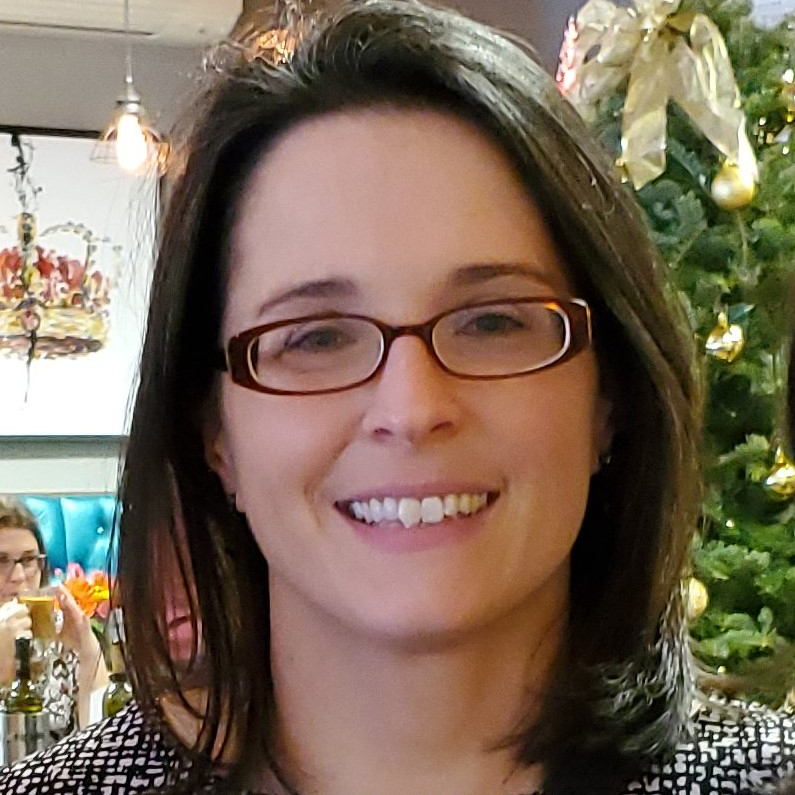
woman with dark hair and glasses

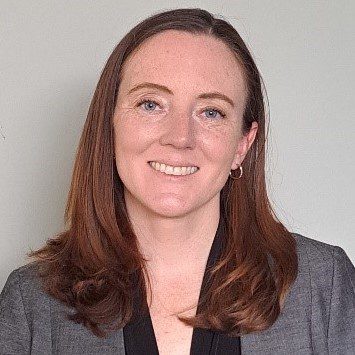
Sharon Cook

Research Analyst, Rutgers Center for Health Services Research

woman with dark short hair

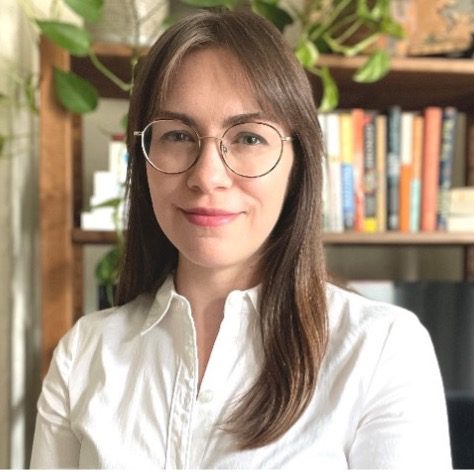
Lizbeth F. Gomez, PhD, MPH

Postdoctoral Research Associate, Rutgers Center for Climate, Health, and Healthcare

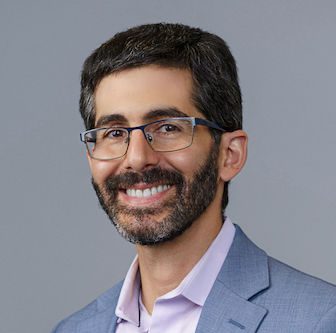
Daniel B. Horton, MD, MSCE, FISPE

Core Member, Rutgers Center for Pharmacoepidemiology and Treatment Science

Kristen Lloyd

Kristen Lloyd, MPH

Senior Research Project Manager, Rutgers Center for Pharmacoepidemiology and Treatment Science

Dinesh Mendhe, MS

Computer and Information Research Scientist (USCIS Class) Programmer Analyst I, Office of Research Computing

Jose Nova, MS

Associate Director of Data & Analytics, Rutgers Center for State Health Policy

Kim O’Malley, MS, PMP

Research Analyst, Rutgers Center for Pharmacoepidemiology and Treatment Science

Ashwaghosha Parthasarathi, MBBS

Postdoctoral Research Associate, Rutgers Health – RWJBarnabas Center for Climate, Health and Healthcare

Elizabeth M. Stone, PhD, MSPH

Core Member, Rutgers Center for Health Services Research

Elizabeth A. Suarez, PhD, MPH

Core Member, Rutgers Center for Pharmacoepidemiology and Treatment Science

Dan Treglia, PhD, MPP

Core Member, Rutgers Center for State Health Policy

Mireia Triguero Roura

Mireia Triguero Roura, PhD

Postdoctoral Research Scientist, Rutgers Center for Pharmacoepidemiology and Treatment Science

Aayush Visaria

Aayush Visaria, MD

Core Member, Rutgers Center for Climate, Health, and Healthcare

Howard Leventhal Scholarship for Trainees

IFH awards two promising Rutgers doctoral candidates a scholarship to support their independent population health research.

Overview

As a member of the National Academy of Sciences and a Rutgers Board of Governors Professor in Health Psychology, Dr. Howard Leventhal’s forward-thinking research furthered health psychology research on the perception and management of chronic illnesses. His NIH Mind-Body Center, which had a long history of supporting student development, examined how cognitive-affective factors affect communication among patients, practitioners and families. At Rutgers Institute for Health (IFH), he spearheaded efforts to develop studies on behavioral health in minority populations. Each year, the scholarship selection committee selects two outstanding students to receive funding to support independent research and help launch their investigative careers.

2026 Scholars

  • Michelle Hiner, M.S., a Ph.D. student in the Department of Psychology and a member of the Emotion and Psychopathology (EmP) Lab at Rutgers, is examining ways to improve the clinical assessment of non-suicidal self-injury. Her project, “Assessing and Understanding the Somatic Markers of Non-Suicidal Self-Injury: Development of a Clinical Interview and Ecological Momentary Assessment Protocol,” seeks to better capture the bodily sensations that may precede, accompany, and follow self-injurious urges and behaviors, signals that are often underrepresented in current assessment tools. Hiner’s work aims to support assessment practices that enhance clinician confidence and patient engagement in care.

  • Siyan Meng, M.A., a Ph.D. candidate in the Department of Health Behavior, Society, and Policy at the Rutgers School of Public Health, is investigating how adult cigarette smokers perceive FDA-authorized e-cigarettes and related marketing messages. Her project, “A Qualitative Study of FDA-authorized E-Cigarettes: Perceptions of Use Intentions and Evaluation of Marketing Messages,” uses focus groups to explore how smokers understand FDA authorization, interpret marketing claims, and evaluate the perceived benefits and barriers of using these products for smoking cessation or harm reduction. Meng’s research seeks to inform future health communication strategies and regulatory efforts related to novel tobacco products.

2025 Scholars

  • Nora Sullivan, who is pursuing her doctorate in social work from the Rutgers School of Social Work, is focusing her research on faith-based organizations offering permanent housing to people experiencing homelessness, also known as a Housing First approach. She aims to better understand the intersections of faith-based and Housing First approaches to inform future interventions and funding decisions for homelessness services. Sullivan worked as a graduate research assistant with IFH’s Center for State Health Policy, supporting research on healthcare and housing, and as a graduate research assistant with the Rutgers Center for Prevention Sciences, supporting research on opioid use treatment.

  • Yingning Xie (Ningning), who earned his doctorate in planning and public policy from the Rutgers Edward J. Bloustein School of Planning and Public Policy, is focusing his research on car-less immigrants and their access to high-quality health-related destinations, as well as the impact of affordable mobility tools such as e-bikes. He will also explore immigrants’ perceptions of their transportation accessibility and how transportation constraints affect their access to health-related services. Xie worked as a teaching assistant and research assistant at the Rutgers Alan M. Voorhees Transportation Center supporting research on healthcare accessibility, improvement of food access and transit facilities, and bikeshare programs in New York City.

2024 Scholars

  • Naomi Cruz, PhD, who earned her doctorate in health systems and policy from the Rutgers School of Public Health, focused her research on understanding the risk and protective factors for adolescent suicidality and eliminating barriers to mental health treatment. Her goal is to shed light on the period immediately following suicide attempts because of the opportunity it can provide for life-changing interventions. By exploring ways to optimize treatments and reduce disparities, Cruz hopes her dissertation will advance the field of youth suicide prevention research, especially among marginalized groups.

  • Alexis Richeson, who is pursuing her doctorate in prevention science from Rutgers University-Camden, focused her research on the relationship between gender stereotyped and religious sexual messaging and feelings towards oneself and one’s relationships. Her goal is to analyze how types of sex education relate to mental and behavioral health outcomes. Richeson’s research will explore how exposure to different ideologies and sexual messaging may be tied to sexuality and sexual behaviors leading to a better understanding of how sex education can be improved.

2023 Scholars

  • Nowels, who earned her doctorate in health systems and policy from the Rutgers School of Public Health, focused her research on health outcomes related to palliative care. Her goal was to identify treatments and interventions that can be delivered by palliative care specialists and primary care physicians to support the behavioral health of patients experiencing serious illnesses.

  • James Terhune focused his research on loneliness and social determinants of mental health. There are many factors that increase the risk of experiencing loneliness and the effects of loneliness can impact various aspects of one’s physical and mental health. Terhune’s research goal was to learn more about the relationship between loneliness and depression and how loneliness may impact the course of depression.

2022 Scholars

  • Michael Enich earned his MD/PhD from Rutgers Robert Wood Johnson Medical School and the Rutgers School of Social Work. His work focused on addressing health disparities for people experiencing chronic homelessness, with a specific focus on mitigating substance use-related harms.

  • John S. Palatucci earned his PhD in Health Systems and Policy at the Rutgers School of Public Health. He is now an assistant research professor at the Rutgers Center for State Health Policy. In his research, he applies econometric techniques to the study of behavioral health and disability policy. He has taught courses in health policy, outcomes research, and health economics. At Rutgers University, he has completed both the New Jersey Leadership Education in Neurodevelopmental and Related Disabilities (NJLEND) fellowship and the Eagleton Graduate Fellowship Program in Politics and Government. He holds a Bachelor of Science in Mathematics and Economics from American University and a Master of Public Administration in Healthcare Administration from the Rutgers School of Public Affairs and Administration. John is committed to partnering with patients, advocates, providers, researchers, and governmental leaders in efforts to enhance population health and mitigate disparities.

2021 Scholars

  • Joanna Paxton Federico was a doctoral student specializing in the history of childhood, the family, and healthcare in the 20th century United States. She studied responses to youth violence in the 1990s. Her previous research focused on the role of collective memory in shaping breastfeeding advocacy and maternal/child health policy.

  • Jamie Kwon’s research interests include the transport disadvantage of people with disabilities and the extra costs of transportation for people with disabilities. Her working dissertation title is “Challenges and Impacts of Auto-mobility for People with Disabilities.”

Summer Research Internship Program

Undergraduate and graduate students participate in a 10-week hands-on research experience each summer.

Program Details

  • The Rutgers Institute for Health, Health Care Policy, and Aging Research (IFH) Summer Research Internship Program is designed for undergraduate/graduate students interested in public health, biomedical or social science research. This program is a 10-week internship opportunity for qualified students who would like to gain hands-on, guided and practical experience on a project related to the interdisciplinary areas of research at IFH. While IFH represents a variety of research focuses, candidates interested in health disparities in diverse racial/ethnic populations are encouraged to apply.

    Over the course of 10 weeks, you will:

    • Gain hands-on research experience working on a research project led by a faculty mentor, meeting with mentors at least once per week
    • Receive general mentorship and guidance from your faculty mentor about your research career
    • Attend in-person seminars to network with peers and faculty at the Institute for Health in New Brunswick, NJ (not required, but encouraged; preference will be given to local applicants who can attend in-person seminars)
    • Participation in this internship will begin the week of June 1 and culminate in a final presentation the week of August 3 based on the individual’s research project.
    • The expected time commitment is a minimum of 20 hours per week. Participants are welcome to take additional summer classes and/or hold other employment during the program period.
    • A stipend will be provided.
    • Housing is not provided.
  • Undergraduate or graduate students majoring in public health, biomedical, social sciences, social work, public policy, health economics, or a related field at a U.S.-based university.

  • Applications open in February-March each year. Stay tuned for more information.